

Heat Pumps Between Facts and Polarisation
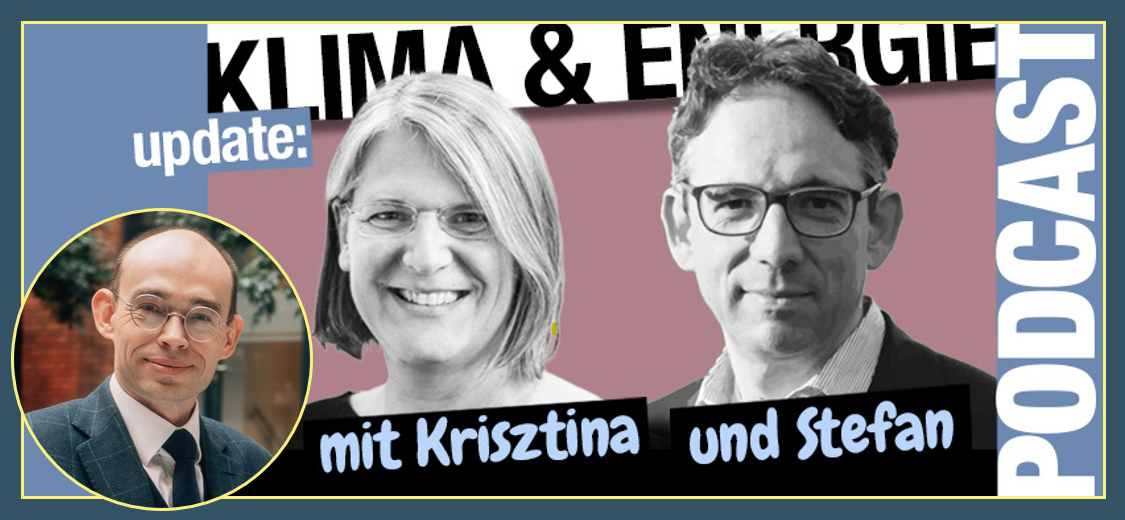
Marek Miara was a guest on the podcast “Update Climate & Energy”, an established format on energy and climate policy that regularly brings together well-known voices from academia, politics, and the energy sector. The podcast has positioned itself as a relevant platform for evidence-based analysis in an increasingly polarised environment.
Insights from the “Update Klima & Energie” Podcast
The focus of the latest episode was, naturally, on heat pumps — their technological development, their role in the European market, and the drivers behind the emotionalised debate in Germany. The discussion highlighted how significantly heat pump systems have evolved in recent years and why today’s technologies are no longer comparable to earlier generations in terms of efficiency, control strategies, and application range.
One key topic was the international comparison. While several European countries have already achieved high market shares of heat pumps, Germany continues to lag behind. Possible explanations were discussed, including policy frameworks, market structures, and approaches to the existing building stock.
Cost considerations also played a central role. Although heat pumps are relatively expensive to purchase in Germany, it was emphasised that upfront investment alone is not sufficient for a sound assessment. Total cost of ownership over the system’s lifetime is decisive. Real-world performance data show that heat pumps can already be operated economically in most cases today.
Particular attention was given to the polarised public debate surrounding heat pumps. The discussion illustrated how political narratives and uncertainty shape public perception — and why evidence-based evaluation is essential. This is precisely where the article series “Heat Pumps: Your Burning Questions – Answered” on Heat Pumps Watch aims to contribute.
Marek Miara would like to express his sincere thanks to Krisztina André and Stefan Gsänger for the invitation and for a thoughtful, open, and engaging discussion. He felt honoured to be invited to join “Update Climate & Energy.”